Class Q Barn Conversions
Explore Class Q DevelopmentsGet to know us
Introducing New Space Architecture
Class Q Barn Conversions in Devon
Your Land. Your Opportunity. Your Legacy.
Transform your unused agricultural buildings into stunning, high-value homes – without full planning permission.
If you’re a landowner, farmer, or rural property holder in Devon, chances are you’ve passed by a barn or agricultural building on your land and thought, “Could we do something with that?” The Class Q barn conversion legislation is a wonderful piece of planning policy that allows the conversion of agricultural buildings to a residential dwelling without usual justification requirements for a sustainable location. This ultimately means that converting a barn to a dwelling has never been easier, so long as the required criteria is met and the application is presented correctly.
Class Q allows you to convert certain types of agricultural buildings into homes without going through the full planning process. It’s one of the most effective ways to unlock dormant value from your land, create new homes for family, or generate steady rental or holiday-let income. And that’s not the end of the story… Once a Class Q development has been granted it is possible to then re-apply for Full Planning Consent to demolish the existing building entirely and replace it with a brand new dwelling, not constrained to the regulations required under the original Class Q Approval.
We specialise in Class Q conversions here at New Space Architecture, and are experts in this field with a vast depth of knowledge of the legislation and wide experience across multiple local authorities in dealing with the process. At New Space Architecture, we’ve helped dozens of clients across Devon convert barns into homes that are not only compliant and buildable, but beautifully designed and highly valuable. Whether you’re looking to diversify your farm business, create homes for your children, or prepare your land for future sale, Class Q could be your most powerful tool.
Class Q Case Studies
PortfolioWhat Can You Do With Class Q?
Reimagining Rural Opportunity
Your land is full of untapped opportunity – and Class Q is the key to unlocking it.
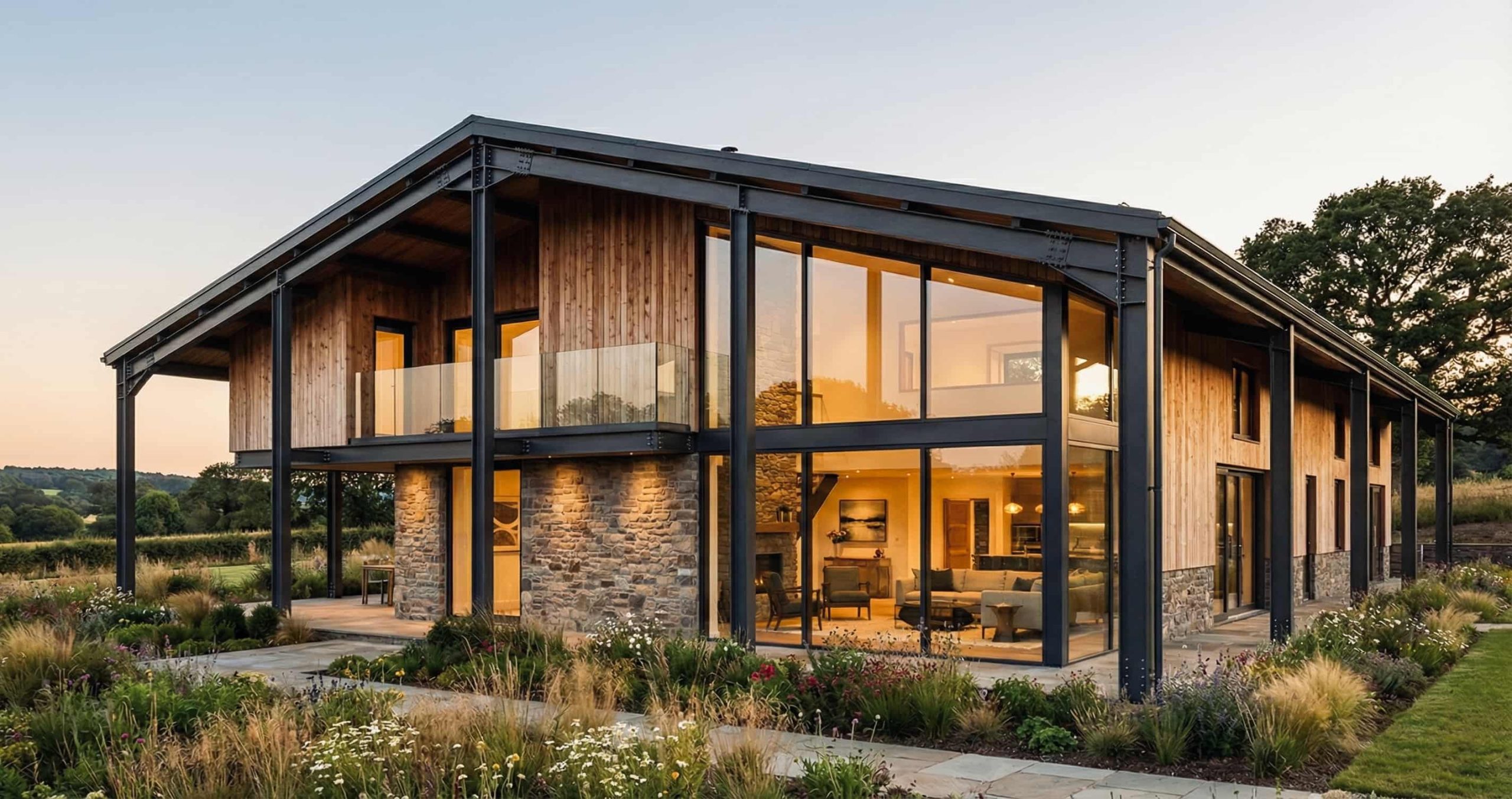
Since 2014, permitted development under Class Q has made it possible to convert agricultural buildings into homes with a simpler, faster approval route than traditional planning. If your barn qualifies, you can turn it into up to ten residential dwellings – all while retaining control of your land and its legacy. This is especially relevant for: – Farmers exploring new income streams, – Landowners with redundant or underused buildings, – Families looking to build intergenerational homes, – Investors seeking rural development opportunities.
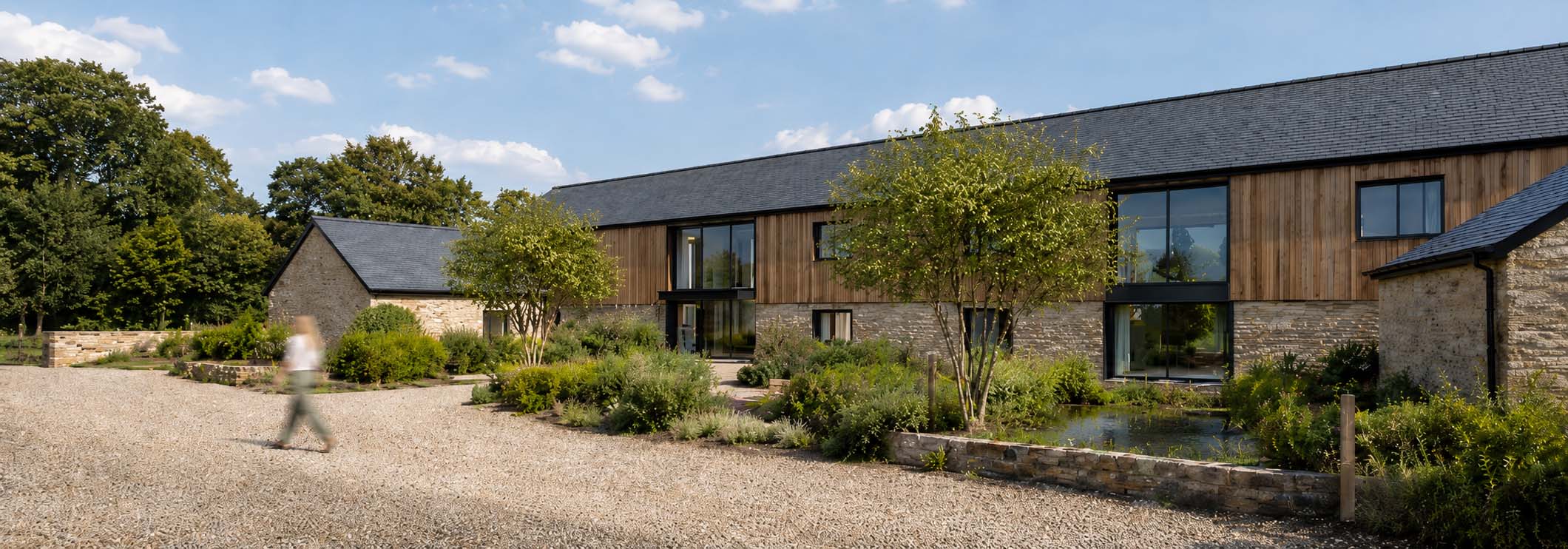
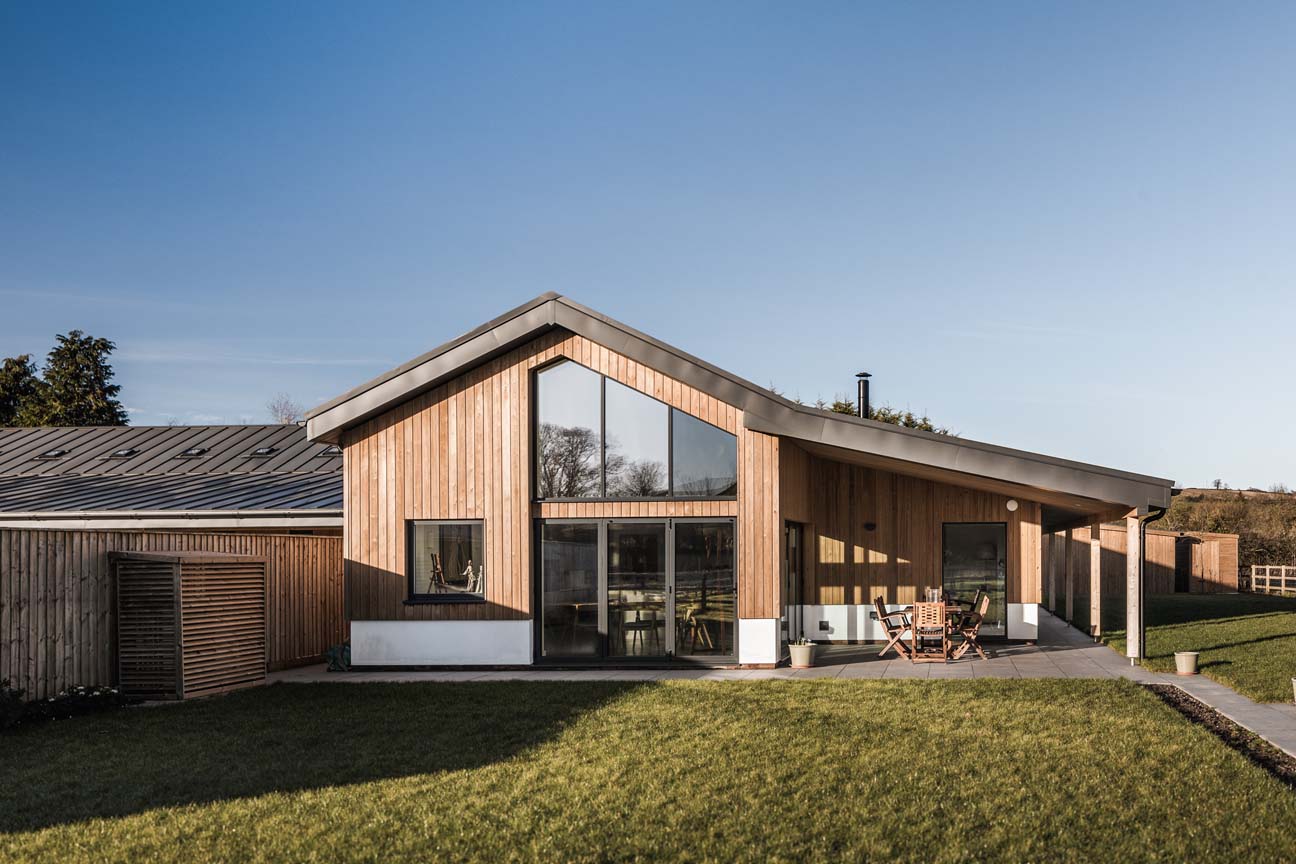
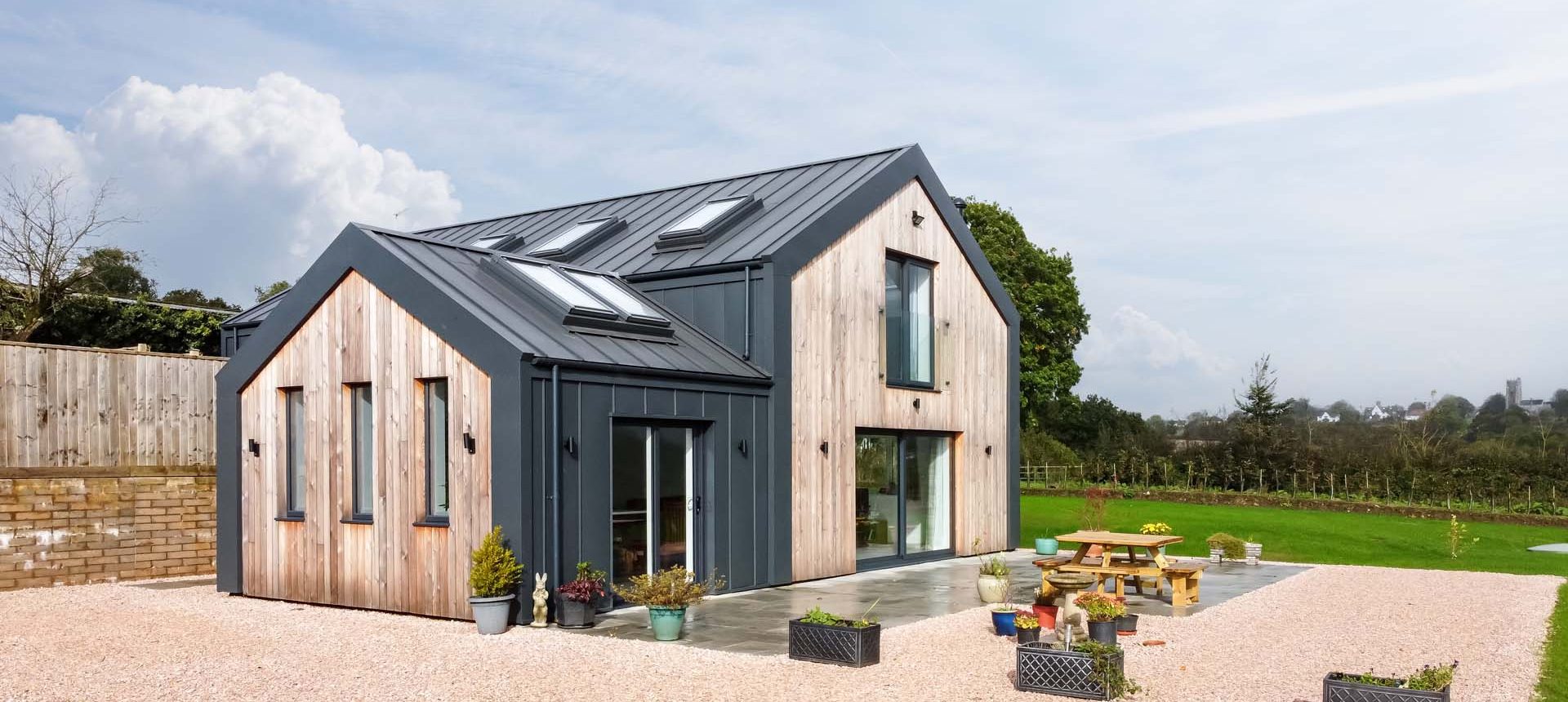
Approved Class Q conversions regularly increase land value by six figures, and when combined with thoughtful architectural design, they can become beautiful, modern homes that sit proudly in the landscape. As Devon-based architects, we understand the local landscape – both literally and in terms of planning policy. We know what works, where the local authority stands, and how to navigate the system smoothly.
Class Q opens the door to a range of high-quality rural development opportunities, depending on your building’s size, structure, and location. In essence, gaining Class Q consent can pave the way for you to build a new bespoke home, free from the existing barn form or any structural or design constraints. The replacement design simply needs to more positively contribute to the development and/or surroundings than the approved Class Q conversion.
Frequently Asked Questions
We’ve compiled the most common questions from landowners considering a Class Q conversion. Straight answers, no fluff.
Ask us a question
What is Class Q?
Class Q is a type of permitted development that allows certain agricultural buildings to be converted into residential dwellings without needing full planning permission. Instead, you apply through a Prior Approval process with the local authority.
Does my barn qualify for Class Q?
It depends. The building must have been in agricultural use on or before 20 March 2013, must be structurally sound, and must not be located in protected areas like National Parks or AONBs. We offer free site visits to check all of this for you.
Can I create more than one home?
Yes. You can convert up to ten dwellings from qualifying agricultural buildings within a single agricultural unit. The number and size of units will depend on the building’s floor area.
If your barn meets those criteria, this opens up the possibility of delivering multiple smaller, liveable units from one large structure, provided each unit meets minimum space standards and natural light requirements set out for habitable rooms.
Can I convert a barn into more than five homes?
Class Q now offers significantly greater flexibility than before. Under the updated rules (effective since 21 May 2024) you can convert up to ten dwellings per established agricultural unit, as long as cumulative floor space does not exceed 1,000 m², and no individual dwelling is over 150 m².
However, this limit of ten dwellings and 1,000 m² applies per agricultural unit—so using separate barns located on different holding units may allow additional rights, though careful planning and precedent checks are required.
What counts as an “established agricultural unit”?
An established agricultural unit refers to land that has been used for agricultural purposes for a sustained period, including associated buildings. Importantly, to qualify under the new Class Q rules, this unit must have been established on or before 24 July 2023.
If the land was only brought into agricultural use after that date, or has been used for non-agricultural purposes (such as storage or leisure) since then, it may not qualify unless it can be demonstrated that it served agricultural use for at least 10 years prior.
Can I sell or rent the property after conversion?
Yes. Many landowners sell with permission in place, or develop and let the units. Class Q homes are treated as standard residential dwellings once completed.
What if my barn has bats or nesting birds?
Ecology surveys are often required. If protected species are present, mitigation strategies can be included in the planning documents. We work with local ecology consultants to manage this process for you.
How long does Class Q approval take?
Most local authorities issue a decision within 8 weeks of submission. If additional information is requested, the process may take longer – but we handle all communication with planners on your behalf.
Can I later apply for full planning permission instead?
Yes. Many landowners use Class Q as a fallback position to support a later full planning application for demolition and replacement with a new dwelling.
What if my application is refused?
We’ll always aim to pre-empt refusals with robust submissions. But if an application is refused, we’ll discuss appeal routes or alternative planning strategies with you. Our No Win, No Fee approach ensures you’re not out of pocket if it doesn’t succeed.
The New Space Class Q Process
Free Site Visit & Feasibility Assessment
We’ll meet you at your site, inspect the building, and review its eligibility. You’ll get clear advice on what’s possible, and whether Class Q is the best route forward. We’re rural planning specialists who understand barns, land, and the people who work with them.
Measured Survey & Early Design
Once we confirm potential, we produce accurate measured drawings and early concept designs to help visualise your future conversion. We don’t just design to pass planning – we design to make homes that people love to live in, and that builders can actually build.
Prior Approval Application
We handle the full Class Q submission to your local authority. We know what planning officers expect, and we prepare accordingly. Our years of experience and success rate ensures we’re able to present strong, buildable, policy-aligned applications.
No Win, No Fee Class Q Applications
Once Prior Approval is granted, we move straight into building regulations, detailed construction drawings, and (if needed) construction support. If we don’t secure your Class Q Prior Approval, you don’t pay our planning fee. That’s how confident we are in our expertise.
Optional On-Site Support
We can stay involved as much or as little as you need – from reviewing builder quotes to visiting during construction. We’ve worked on a wide range of successful Class Q projects across the county — from small single conversions to large-scale multi-unit barn redevelopments.
Download Our Free Guidebook
The Definitive Guide to Class Q Barn Conversions
Want all of this in a single resource? Download our Ultimate Guide to Class Q Barn Conversions – it’s packed with advice, examples, and everything you need to know before you start.
Testimonials
Our clients say it best